Learn about the existence of a rubber tree plant, its usefulness, and advice provided by experts. Flawless indoor plants that clean up the air and act as a decoration for your house.
What Is Rubber Tree Plant?
Rubber tree plant (Ficus elastica ) is a tropical evergreen tree which is indigenous to Southeast Asia and some regions of India. It is of the fig family (Moraceae). Naturally, it is able to grow to be a huge tree as high as 100 feet. But, in the greenhouse, it will often be only 6 or 10 feet high, depending on attention and room.
Why Is It Called a Rubber Tree?
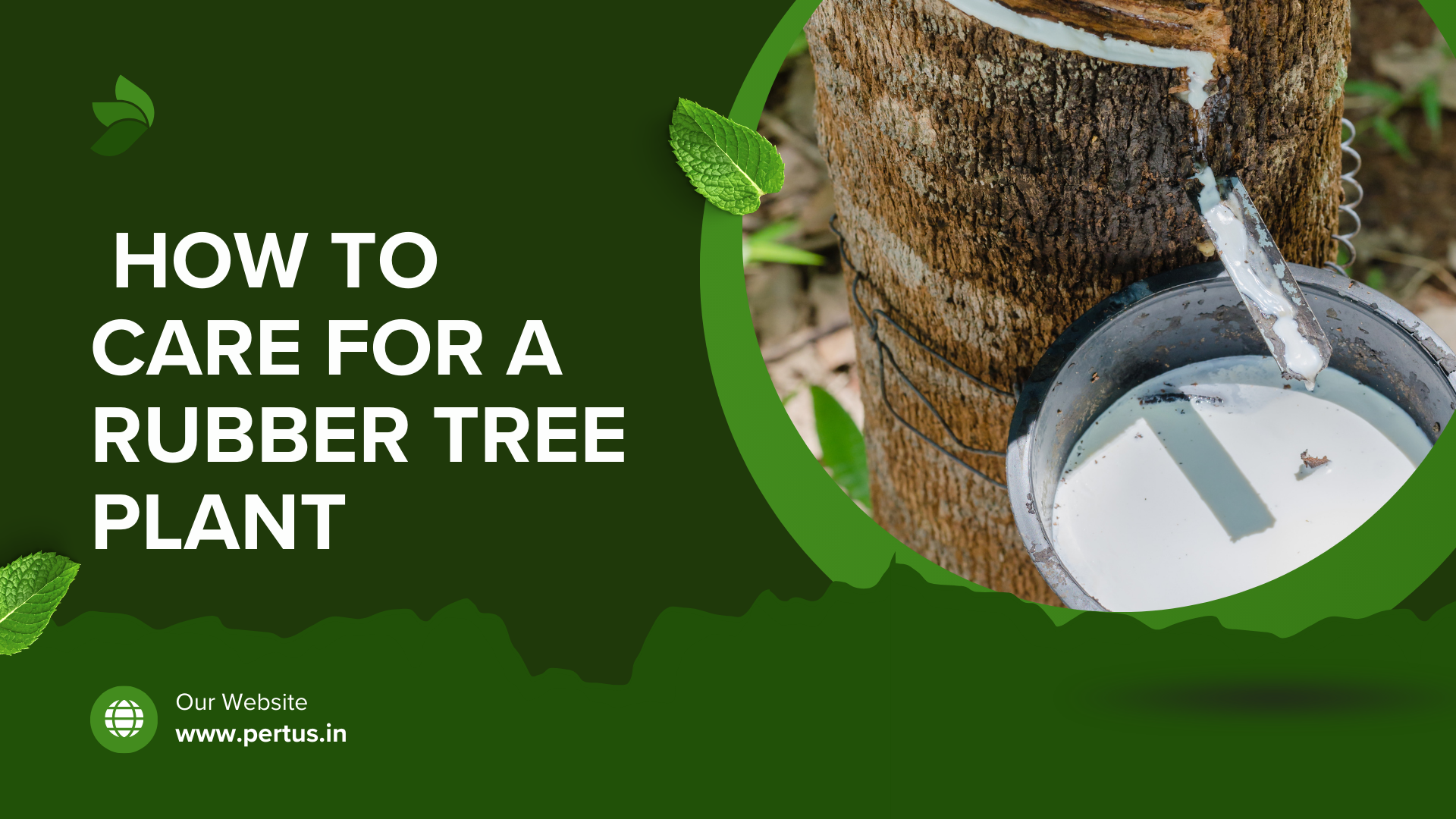
The plant takes its name from the milky white sap (latex) that is present in the stems and leaves. Until the emergence of synthetic rubber, this sap was being utilized to make natural rubber.
Key Features of Rubber Tree Plant
- Large, thick, and shiny leaves
- Dark green, burgundy, or variegated types of leaves.
- Upright growth habit
- Air-purifying qualities
- Low-maintenance houseplant.
The Many Benefits of Rubber Plants
They Are Air Purifying
By absorbing airborne toxins and pollutants, emitting new oxygen, and making the indoor air cleaner and healthier, rubber plants assist in the betterment of the indoor air quality.
They’re Low Maintenance
The rubber plants do not need much attention; they need a moderate amount of water, they need indirect sunlight, and they need to be pruned now and then; this makes them the best plants to have for novices and those who are busy.
They Humidify the Air
The transpiration process of rubber plants promotes moisture release to the air, which is naturally used to increase the levels of humidity in the indoor area and curb the effect of drying houses.
They Help Reduce Stress
The presence of rubber plants in the room makes the place relaxing, induces tranquility, minimizes anxiety levels, and improves mood and general mental security.
They’re Easy to Propagate
Rubber plants are also easily propagated by stem cuttings, and therefore, plant lovers can easily propagate more plants and increase the number of indoor plants.
They Make Your Space Quieter
Rubber plants can be used to absorb the background noise, soften the echoes, and make the interior environment quieter by cutting down sound reflectance.

How to Care for a Rubber Tree Plant?
The reason for this is as follows: Care for a Rubber Tree Plant:
Watering
The rubber tree plant can be watered at the time when the top one to two inches are dry to the touch. It should have proper drainage in order to avoid root rot through room-temperature water. Watering should not be excessive; when the soil is too wet, it becomes covered with yellow leaves, and the plants will be unhealthy.
Fertilizing
During the spring and summer, a half-strength liquid fertilizer that is balanced should be applied to rubber plants. Use monthly and help to promote the normal development and green leaves. It should not be fertilized in the fall and winter when the plant is still slowing down.
Pruning
It is advisable to prune your rubber tree plant in the early spring so that the height of the plant is controlled and it grows bushy. Use clean and sharp scissors and cut above a node of a leaf. Dull, withered, and brown leaves ought to be removed so that the appearance of the plant looks healthy and attractive.
Leaf Care
Wipe the large shiny leaves using a wet cloth after every couple of weeks. Dust removal improves photosynthesis and ensures that the plant itself has the appearance of being colorful. Products with the shine of a leaf should not be used; they may close the leaf pores, which may expose the leaves to devastation.
Repotting
It can be done on average one or two times for the rubber tree plant; however, this can only happen if the roots are too long. Use a kind of larger pot with holes. The soils on which waters grow should facilitate good drainage to promote good root development and avoid stagnation.

Common Problems that Occur in Rubber Plants
Yellow Leaves and Root Rotting
The appearance of yellow leaves is usually caused by either low drainage or excess water. The roots, which are planted in damp soil, may rot and ruin the plant. Watering less, water drainage, and affected root is cut in order to prevent further damage and regenerate.
Leaf Browning
Brown edges or spots on the leaf are normally due to either underwatering, low humidity, or excess direct sunlight. Water now and then, humidity can be sprayed up, and the plant can be exposed to bright indirect sunlight so that it does not brown further.
Honeydew / White Cottony Stuff on Leaves
The pests are usually represented by white cottony spots or sticky honeydew, such as the mealybugs or scale insects. These insects extract the sap of plants and slow down their growth. You would have to first take them off before you could treat the plant with neem oil or the use of insecticidal soap.
Why should the Rubber Plant be a Necessity in your Homes?
The rubber plant is an essential plant in every home since it provides a burst of greenery, as well as enhances indoor air quality and has fewer maintenance requirements in maintenance. The huge and shiny leaves make it look modern and stylish and the flexibility of the plant make it ideal in case a beginner wants an easy to keep looking impressive house plant.
2026 How to take Proper care of a Fiddle fig tree
Why Choose a Rubber Plant?
1. Air Purifying
Plants that include rubber plants are useful in eliminating indoor toxins that are common in the air and provide new oxygen. Large leaves of them enhance air quality and make the living environment healthy.
2. Low Maintenance
Rubber plants are not hard to maintain and can easily adjust to the indoors. They can be watered moderately; they do not need a lot of light, as it is indirect, and they do not need much pruning, which makes them a great choice among beginners.
3. Healing Properties
Green rubber plants may be employed to alleviate stress, enhance mood, and relax. Their presence helps in the mental well-being and the establishment of a calm and peaceful environment within.
FAQ
Are rubber tree plants toxic to pets?
Yes, the plant of the rubber tree is poisonous and can cause vomiting, drooling, or stomachache when one eats it, thanks to cats and dogs.
Conclusion
Rubber tree plant is a low-maintenance indoor plant, which is attractive and purifies air, relieves stress, and decorates. It grows with ease, and requires no more than good watering, light, and only a little pruning; hence making it perfect for a novice or a lover of plants who prefers a lively and soothing plant in their home.
How to Care for an Avocado Tree: A Complete Guide