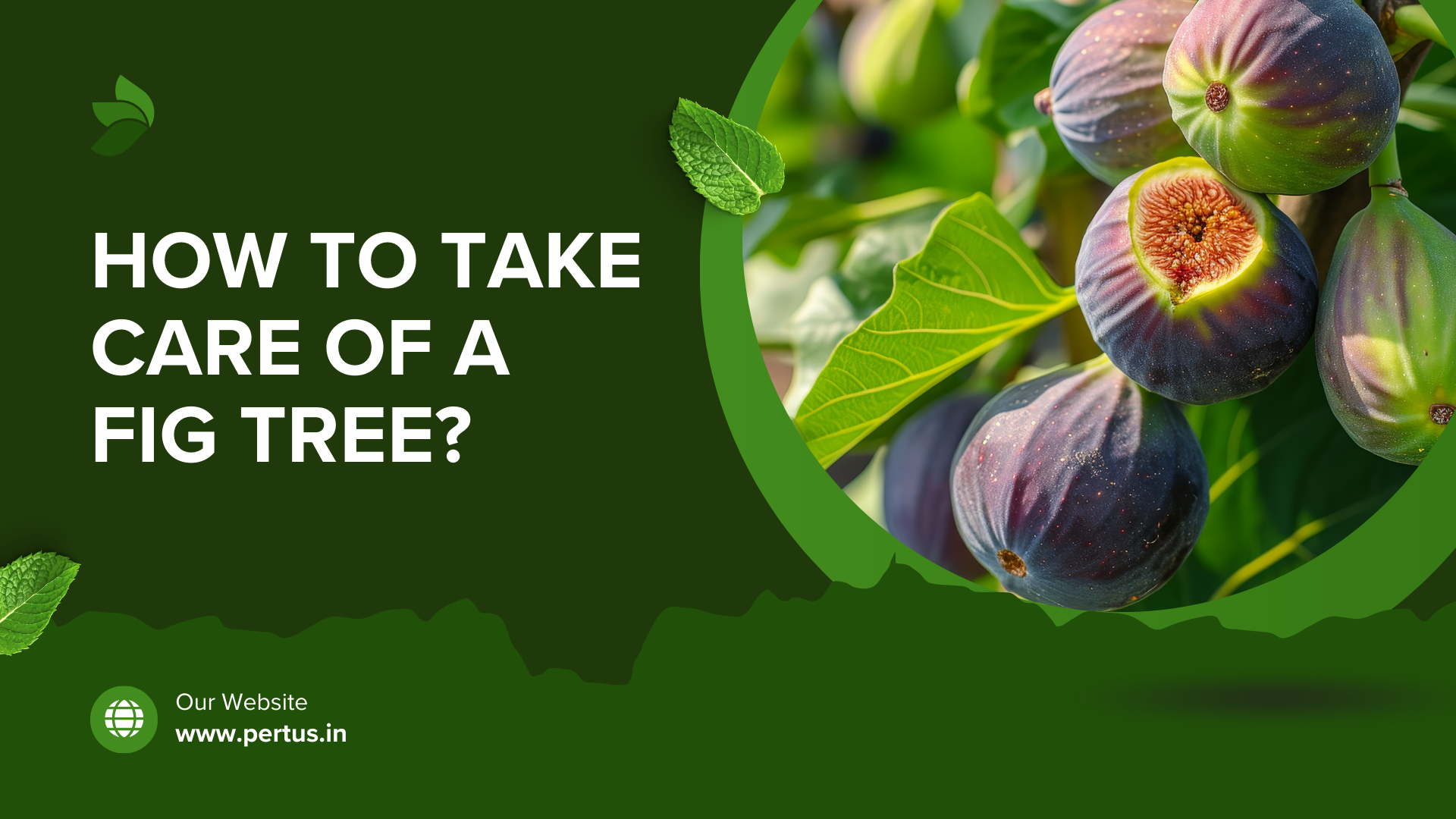
Learn how to care for a fig tree by viewing our information and advice on planting, watering, fertilizing, and harvesting these delicious and nutritious fruits in containers or in your garden.
What Is a Fig Tree?
The sweet and tender fruit of the fig tree (Ficus carica) is a small to medium-sized, decadent tree of the Middle East and the Mediterranean that is native to the area. Fig trees are appreciated because of their nutritious fruit, big leaves, and historical and cultural value in the whole world.
Nutritional Value of Figs
Figs are very nutritious and are very beneficial to health. They are rich in:
- Dietary fiber
- Natural sugars
- Calcium
- Potassium
- Magnesium
- Iron
- Antioxidants
Fresh figs contain low calorie and there is a lot of fibre, so it is good to digest. The dried figs have a higher concentration of nutrients and natural sugars, which are a fast source of energy.
Health Benefits of Fig Tree Fruit
The fruits of the fig tree contain a lot of fiber, antioxidants, vitamins, and minerals. It aids healthy digestion, enhances the heart, improves bones, and enhances immunity. Figs are useful in controlling blood pressure, maintaining good skin, and giving natural energy; hence are a healthy addition to a healthy diet.
Common Uses of Figs
Figs may be eaten fresh or dried and are traditionally found in:
- Desserts and baked goods
- Jams and preserves
- Salads and savory dishes
- Traditional herbal remedies
Fig Tree Propagation
The fig trees can also be propagated by the use of seeds, cuttings, and layering. The most frequent procedure is cutting hardwood during the period of dormancy. The cuttings normally do root after a few weeks, and after a few years, they can grow into a fully grown tree.

Fig Tree Varieties to be planted indoors and outdoors
1. Red Leaf Fig (Ficus congesta)
Red Leaf Fig is beautified with good-looking reddish new leaves and fig bunch which are appropriate in the warm outdoor gardens and landscape.
2. Creeping Fig (Ficus pumila)
Creeping Fig is an often-growing vine that has small leaves and will fit the walls, fences, and also inside decorations.
3. Fiddle Leaf Fig (Ficus lyrata)
The Fiddle Leaf Fig is a larger plant that has large leaves that are of the shape of the violin, and it is a popular indoor plant that requires a lot of light and frequent care.
4. Rubber Tree (Ficus elastica)
Rubber Tree is a thick, glossy leaf that thrives well in an indoor setting and is one that can withstand low light and improve air quality.
5. Weeping Fig (Ficus benjamina)
This shrub is curved with very few big shiny leaves that have been encouraged to grow outdoors or kept indoors under warm conditions.
6. Indian Banyan (Ficus benghalensis)
Indian Banyan is a large and shaded out-of-door tree having aerial roots, and offers heavy shade and a powerful decorative impression.
Where Do Fig Trees Grow?
The fig trees are best suited in hot climates where there are long and hot summers and mild winters. They grow well in Mediterranean climatic regions and can also be cultivated in subtropical and temperate areas.
Fig trees prefer:
- Well-drained soil
- Plenty of sunshine (at least 6 8 hours a day)
- Moderate watering
They can withstand drought relatively well when established, hence are applicable in dry areas.

How to Take Care of a Fig Tree?
1. Planting Your Fig Tree
It is possible to plant your fig tree in an open place where daylight has six to eight hours of direct sunlight. Prepare beforehand well-draining soil, plentiful in compost, and hollow an equal-sized hole in the container in use. Mulch the base and change the trees in the pot containers after every three to five years.
2. Watering Your Fig Tree
When the inch of soil around your tree is dry, then water the tree. Water well, and make sure that the roots are moistened, about a gallon, and so, according to size. During hot weather watering a little more, but do not forget to drain properly.
3. Fertilizing Your Fig Tree
In the growing of the fruit, feed your fig tree with an equal liquid fertilizer every week. Trees planted in containers require frequent watering during spring and summer because organic substances are washed away very fast. Excessive fertilizer should be avoided since an overabundant fertilizer promotes the growth of the leaves rather than the fruits.
4. Harvesting Your Fig Tree
The figs should be picked when they are well ripe, soft, half-hanging, and full of color. The branches are not damaged by the hand-sweeping motion, which is used to remove the fruit. Bruise thee not, and wrap about it bird netting to keep the figs to their own time.
5. The Prevention and Treatment of Common Diseases.
Plague your fig-tree, to keep diseases away. Apply neem oil sprays on the fungal diseases and the fungal rust infection of the fig, as well. Lacerate and disinfect the leaves. Clean and disinfected instruments are used to removeprunede branches that are coated witfungusus.
In 2026 How to Take Care of an Olive Tree
Physical Characteristics of the Fig Tree
The fig trees are between 10 and 30 feet on average, with some attaining up to 50 feet. Their leaves are huge in size, lobed, and coarse to the touch, and offer a lot of shade.
The tree has grayish and smooth bark, which is light brown and has a wide spreading canopy. The fruit of the fig tree is considered one of the most unique characteristics of this plant; it is technically a flower that is inverted,d known as a syconium. There are different types of figs, which are either green, purple, or brown in color.
Interesting Facts About Fig Trees
- Fig trees are one of the early fruit trees that are farmed by man.
- The fig tree has a lifespan of more than 100 years.
- A Bodhi tree (Ficus religiosa), which is believed to have provided enlightenment to Buddha, is also a form of fig tree.
- Figures were a widely used foodstuff in ancient Egypt and Greece.
Conclusion
Caring on fig tree is done by ensuring that there is sufficient sunlight, well-drained soil, balanced watering, and frequent pruning. Fig trees are also a crop that is rewarding and long-lasting when treated well, hence can be grown both indoors and outdoors, and can also bear the sweet, nutritious fruit.
How to Care for an Avocado Tree: A Complete Guide